Butterfly Pop Up 3D SVG DXF: Elevating Paper Engineering in Digital Workflows
In the landscape of digital crafting and graphic design, the transition from a flat vector file to a tangible, three-dimensional object represents a significant leap in creative value. The Butterfly Pop Up 3D SVG DXF is not merely a decorative asset; it is a structural component designed to integrate seamlessly into professional and hobbyist workflows alike. By leveraging specific cutting formats and strategic layering techniques, creators can produce high-impact visual elements that command attention. This guide explores how to effectively implement this design into your projects, ensuring consistency, quality control, and aesthetic excellence.
Understanding the Asset and Its Technical Foundation
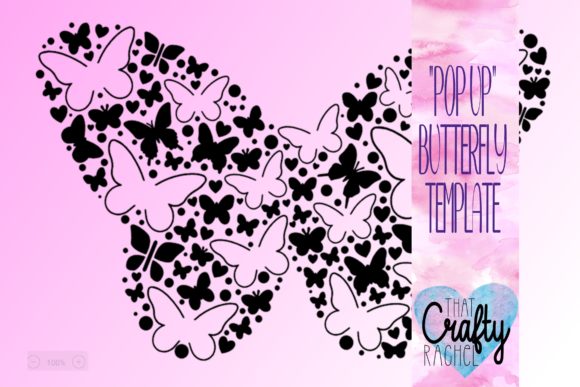
The core appeal of the Butterfly Pop Up design lies in its mechanical simplicity and visual complexity. Unlike static illustrations, this design utilizes wings that fold up to create a genuine 3D effect. While example images may showcase different variations, the underlying principle remains consistent: precise scoring and folding transform a two-dimensional plane into a dynamic sculpture. To achieve this, the file architecture must be robust, which is why multiple formats are provided to suit different stages of production.
The inclusion of PNG, PDF, DXF, and SVG formats ensures compatibility across a wide spectrum of software ecosystems. However, for users engaged in automated fabrication, the CUT SVG file is particularly critical. This version is optimized specifically for cutting machines such as Cricut or Silhouette. It strips away unnecessary metadata and simplifies path data, reducing processing time and minimizing the risk of cut errors. For those who prioritize efficiency in their workflow, starting with the CUT SVG ensures that the machine spends less time calculating paths and more time executing the physical creation.
Workflow Integration: From Digital File to Physical Product
Integrating the Butterfly Pop Up 3D SVG DXF into a project requires a structured approach. Whether you are producing custom invitations for a wedding, creating educational materials for a classroom, or designing marketing collateral for a small business, the process follows a logical sequence of preparation, execution, and assembly.
Preparation and Material Selection
The success of any paper engineering project begins with material selection. The design looks best at least 6 inches by 6 inches in size. Smaller dimensions may compromise the structural integrity of the pop-up mechanism, while larger sizes allow the wings to fully extend, maximizing the 3D impact. Furthermore, the choice of cardstock plays a pivotal role in the final outcome. A contrasting colour behind the butterfly is highly recommended. Using glitter or holographic card as a background layer adds depth and draws the eye, enhancing the perceived value of the piece.
When preparing your files, consider the layering strategy. The provided assets include squares at the top, which serve as alignment guides. These markers are essential for maintaining consistency, especially when producing multiple units. They help ensure that each layer is positioned correctly relative to the others, preventing misalignment that could ruin the pop-up effect. Once aligned, these squares can be contoured out or trimmed away during the assembly phase, leaving a clean finish.
Execution and Cutting Precision
During the cutting phase, precision is paramount. When using the CUT SVG file on a silhouette or Cricut machine, ensure that the blade pressure and speed settings are calibrated for the thickness of your chosen cardstock. Thicker cards require slower speeds and sharper blades to prevent tearing or incomplete cuts. Regularly check the cut quality by lifting a corner of the design after the cycle completes. If any lines remain uncut, adjust the settings and re-run the problematic sections rather than forcing the material through the machine, which can damage both the blade and the design.
For designers working in Adobe Illustrator or similar vector programs, the standard SVG or DXF files offer flexibility for manual adjustments. You might choose to modify the wing angles or add custom text overlays before sending the file to the cutter. This stage allows for personalization, ensuring that the final product aligns perfectly with your brand identity or thematic requirements.
Assembly Techniques for Consistent Results
Assembly is where the digital blueprint becomes a physical reality. The pop-up mechanism relies on accurate folding along pre-defined score lines. Use a bone folder or a blunt tool to crease the paper firmly but without tearing it. The goal is to create sharp, defined folds that hold their shape. When assembling the layers, use adhesive sparingly. Excess glue can warp the cardstock or seep through to visible surfaces, detracting from the professional finish.
To streamline this process, consider creating a jig or template for repeated production. Mark the alignment squares on your work surface or use double-sided tape dispensers to apply adhesive quickly and consistently. This method reduces fatigue and error rates, allowing you to focus on quality control. Each piece should be inspected for proper folding and secure attachment before being placed in its final position.
Strategic Applications Across Industries
The versatility of the Butterfly Pop Up 3D SVG DXF makes it suitable for various applications beyond simple decoration. For educators, these designs can serve as engaging teaching aids in subjects like biology or art, demonstrating concepts of symmetry, metamorphosis, and spatial reasoning. In marketing, they can be used as premium inserts in direct mail campaigns, standing out in a sea of flat brochures and capturing recipient interest.
Entrepreneurs and freelancers can leverage these assets to create unique branding materials. Imagine a business card with a subtle pop-up element or a portfolio cover that unfolds to reveal a three-dimensional logo. Such innovations signal creativity and attention to detail, qualities that clients and employers value highly. By integrating these elements into your routine, you differentiate yourself from competitors who rely solely on traditional print methods.
Optimizing Long-Term Use and Organization
As you incorporate the Butterfly Pop Up 3D SVG DXF into your ongoing projects, maintaining an organized digital library is essential. Label your files clearly with version numbers and usage notes. Keep track of which cardstock weights and colors yielded the best results for future reference. This documentation saves time when revisiting similar projects and helps new team members understand your standards.
Additionally, consider archiving successful prototypes. Photographing finished pieces provides a visual record of what works and what doesn’t, serving as inspiration for future iterations. Over time, this repository becomes a valuable resource, enabling you to refine your processes and expand your capabilities. By treating each project as part of a larger workflow, you build a system that supports growth and innovation.
Conclusion on Implementation
The Butterfly Pop Up 3D SVG DXF offers a powerful tool for enhancing visual communication through physical media. By understanding its technical requirements, selecting appropriate materials, and adhering to precise assembly techniques, creators can produce stunning 3D effects that elevate their work. Whether used for personal hobbies, educational purposes, or commercial ventures, this design exemplifies how thoughtful integration of digital assets and manual craftsmanship can yield exceptional outcomes. Embrace the process, experiment with contrasts, and watch your projects take flight.