Evaluating the Trash Can 3D Mockup Template Bundle for Professional Design Workflows
Visual presentation is a critical component of product marketing, packaging design, and environmental branding. When showcasing waste management solutions, recycling bins, or general refuse containers, the difference between a flat photograph and a photorealistic three-dimensional render can significantly impact client perception. For designers seeking to elevate their portfolio presentations or create compelling sales assets without the overhead of physical photography, the Trash Can 3D Mockup Template Bundle offers a structured solution. This resource provides high-fidelity visual assets designed specifically for integration into professional design workflows.
This analysis explores the utility, technical specifications, and strategic advantages of using this bundle compared to alternative methods of product visualization. By examining its features—such as high-resolution PSD files, organized layers, and transparent backgrounds—we can determine how it fits into broader design projects and whether it serves as a viable tool for various creative needs.
Understanding the Core Value Proposition
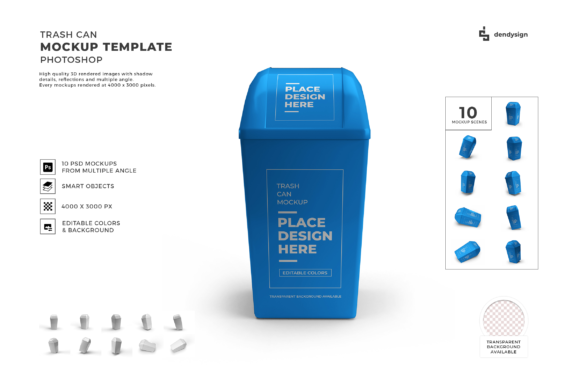
The primary function of the Trash Can 3D Mockup Template Bundle is to provide a realistic canvas for displaying designs on trash cans. Unlike generic container mockups that may lack specific detailing relevant to waste receptacles, this bundle is tailored to the unique geometry and material properties of modern trash bins. Whether the project involves a sleek indoor office bin, a heavy-duty outdoor dumpster, or a decorative kitchen wastebasket, these templates allow designers to visualize their artwork in context.
What distinguishes this bundle from standard graphic resources is its focus on editability and realism. In the digital design space, the gap between a "good" mockup and a "great" one often lies in the subtleties of lighting, shadow, and texture. These templates are crafted to mimic real-world lighting conditions, ensuring that when a designer places their logo or pattern onto the trash can, the result looks integrated rather than pasted. The use of High Resolution PSD File formats ensures that the final output retains clarity even when scaled for large-format printing or high-density digital displays.
Technical Advantages for Designers
For professionals working within Adobe Photoshop, the technical architecture of the template bundle plays a crucial role in efficiency. The following features highlight why this resource is considered a practical investment for ongoing design projects.
- Easy to Edit: The templates are constructed with user-friendly interfaces in mind. Most changes require only the replacement of smart objects, allowing designers to swap out default images with their own artwork in seconds. This ease of use reduces the time spent on technical adjustments, freeing up more time for creative iteration.
- Organized Layers: A common frustration in digital mockups is encountering a flattened file or a chaotic layer structure that makes fine-tuning difficult. The Trash Can 3D Mockup Template Bundle addresses this by providing Organized Layers. This structure allows for precise control over shadows, highlights, and surface textures. Designers can adjust the opacity of specific elements or isolate certain parts of the bin for detailed retouching without affecting the rest of the composition.
- Transparent Background Available: Versatility is key in multi-platform design. Many of the templates within the bundle offer a Transparent Background Available option. This feature is particularly useful when integrating the trash can into complex scenes, such as a busy street corner, an office lobby, or a composite image where the background needs to be customized entirely by the designer.
Comparative Analysis: Mockups vs. Traditional Photography
To make an informed decision, it is helpful to compare the Trash Can 3D Mockup Template Bundle against traditional product photography. Both approaches have distinct merits, and the choice often depends on budget, timeline, and flexibility requirements.
Cost and Accessibility
Traditional photography requires hiring a photographer, renting studio space, sourcing physical props (the actual trash cans), and potentially traveling to location shoots. This process incurs significant costs and logistical challenges. In contrast, the digital bundle provides immediate access to multiple angles and styles for a single purchase price. For startups or small businesses testing multiple packaging concepts, the digital route is far more economical.
Flexibility and Iteration
Once a photograph is taken, the lighting and angle are fixed. If a client requests a different color scheme or a slight change in perspective, a new photoshoot is usually necessary. With the Trash Can 3D Mockup Template Bundle, designers can generate dozens of variations from a single file. They can experiment with different materials, colors, and environments instantly. This flexibility accelerates the feedback loop with clients, allowing for rapid prototyping and approval processes.
Realism and Detail
While high-end photography remains the gold standard for authenticity, modern 3D rendering techniques have closed the gap significantly. The templates in this bundle utilize advanced shading and texture mapping to simulate materials like brushed metal, matte plastic, and woven wicker. For most marketing purposes, including web banners, social media ads, and catalog listings, the visual fidelity provided by these PSD files is indistinguishable from reality to the average viewer.
Strategic Use Cases and Applications
The applicability of the Trash Can 3D Mockup Template Bundle extends beyond simple product display. It serves several strategic functions in the design ecosystem.
Packaging and Branding Design: Companies producing branded waste bins for corporate offices or public spaces need to see how their logos look on the final product. These mockups allow brand managers to evaluate placement, scale, and color harmony before committing to manufacturing.
Environmental and Interior Design: Architects and interior designers often specify waste stations as part of their overall aesthetic plan. Using these templates, they can present cohesive design proposals to clients, showing how trash receptacles blend with furniture and decor. The ability to place the bin in a Transparent Background scene allows for seamless integration into architectural renderings.
E-commerce Listings: Online retailers benefit greatly from consistent, high-quality imagery. A uniform set of mockups ensures that product listings look professional and trustworthy. The Trash Can 3D Mockup Template Bundle helps maintain this consistency across a wide range of products, from small desktop bins to large commercial dumpsters.
Limitations and Considerations
While the benefits are substantial, it is important to acknowledge the limitations of digital mockups. The quality of the final output is dependent on the resolution of the source file. Although the bundle offers High Resolution PSD File options, designers must ensure they are exporting at the appropriate DPI (dots per inch) for their intended medium. Additionally, while the templates are highly realistic, they may not capture the unique imperfections or wear-and-tear characteristics of a physical object in situ. For projects requiring hyper-realistic depictions of aged or used products, custom photography or advanced 3D sculpting might be more appropriate.
Furthermore, the reliance on Photoshop means that users must have a certain level of proficiency with the software. While the templates are designed to be easy to edit, understanding basic layer manipulation, smart object replacement, and blending modes will yield the best results. For those less familiar with these tools, the learning curve may present a minor hurdle, though the organized layer structure mitigates this risk.
Decision Factors: Is This the Right Tool?
Determining whether to incorporate the Trash Can 3D Mockup Template Bundle into your workflow depends on specific project goals. If you are a freelance designer looking to expand your service offerings to include packaging visualization, this bundle is a strong addition to your toolkit. It allows you to deliver polished, professional presentations without the overhead of physical production.
Similarly, if you are a marketing manager creating assets for a product launch, the speed and cost-efficiency of digital mockups make them an attractive alternative to traditional photo shoots. The ability to quickly iterate on designs based on stakeholder feedback is a significant advantage in fast-paced business environments.
However, if your project requires absolute photographic realism for legal or regulatory compliance reasons, or if you need to showcase the exact physical condition of a prototype, you may need to supplement these digital assets with actual photography. In such cases, the bundle can still serve as a valuable reference or a placeholder during the initial stages of development.
Conclusion
The Trash Can 3D Mockup Template Bundle represents a practical, efficient, and visually compelling resource for designers and marketers. By leveraging High Resolution PSD File technology, Organized Layers, and flexible background options, it enables the creation of professional-grade visuals with minimal effort. While it cannot replace every aspect of traditional photography, its advantages in terms of cost, speed, and versatility make it an essential tool for modern design projects. For anyone looking to enhance their product presentations with realistic, editable 3D visuals, this bundle offers a robust foundation for success.