Smile Day 3d Editable Text: A Practical Evaluation for Designers and Creators
In the realm of digital graphic design, the distinction between a static image and a fully editable vector asset is often the difference between a quick fix and a scalable solution. For designers, marketers, and content creators looking to celebrate occasions like Smile Day, the availability of high-quality, customizable typography is crucial. Smile Day 3d Editable Text represents a specific category of resource that prioritizes flexibility and professional presentation. This article provides a detailed analysis of this asset, exploring its technical specifications, usability, and how it compares to alternative design approaches.
Understanding the Core Concept
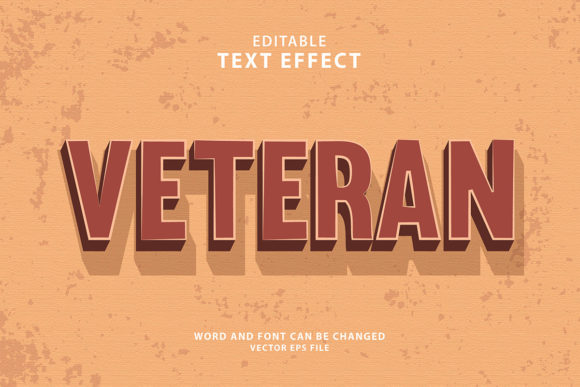
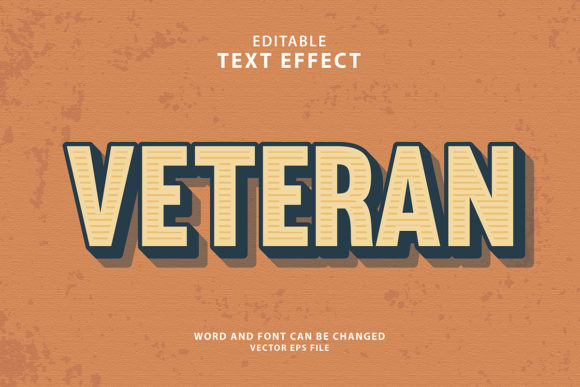
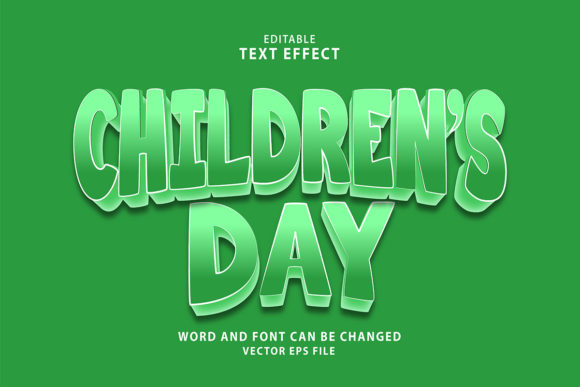
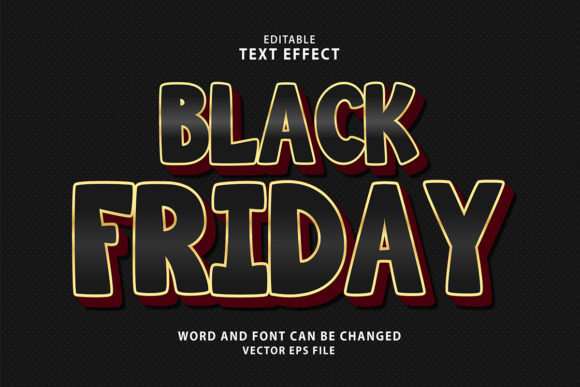
The primary value proposition of Smile Day 3d Editable Text lies in its nature as a fully editable vector text effect design. Unlike raster-based images (such as standard JPEGs or PNGs) where text is baked into pixels, vector designs allow users to modify individual characters, fonts, colors, and effects without losing quality. This means you can click and type new text, adjusting the message to fit specific campaign needs while maintaining the intricate 3D aesthetic.
This asset is marketed as a high-quality design tool, boasting features such as 100 editable fonts and words. The inclusion of a wide variety of typographic options ensures that the final output can range from playful and casual to sleek and corporate, depending on the desired tone. The "No Skill Requirement" claim suggests an intuitive interface, likely leveraging layer styles and smart objects within compatible software, making it accessible to those who may not have advanced graphic design training.
Technical Specifications and File Structure
Evaluating any digital asset requires a close look at its file structure and compatibility. The Smile Day 3d Editable Text package is delivered in a .zip file containing both EPS and JPEG formats. Understanding the role of each format is essential for determining its utility in your workflow.
- EPS (Encapsulated PostScript): This is the core editable component. EPS files are vector-based, meaning they can be scaled to any size without pixelation. They are ideal for print materials, large banners, and further editing in vector software like Adobe Illustrator. The neat arrangement of layers in folders, as described in the product details, significantly streamlines the editing process, allowing users to isolate specific elements—such as shadows, highlights, or base shapes—for precise adjustments.
- JPEG: Included for immediate preview and use in contexts where vector editing is unnecessary. JPEGs are raster images, suitable for web use, social media posts, and quick mockups. While convenient, they do not offer the same level of editability as the EPS file.
The high-resolution nature of these files ensures that whether used for a small Instagram story or a large billboard, the visual integrity remains sharp. This dual-format approach caters to a broad spectrum of user needs, from those requiring deep customization to those needing immediate visual assets.
Comparing Editable Vectors vs. Static Images
To understand why Smile Day 3d Editable Text might be preferred over other resources, it is helpful to compare it with static text overlays or pre-made templates.
Flexibility and Reusability
Static images are fixed. If you purchase a JPEG of a "Smile Day" graphic, you are locked into that specific phrasing and color scheme. To change the message, you must either use photo editing software to obscure the original text (a tedious process) or create a new graphic entirely. In contrast, editable vector text allows for infinite variations. You can reuse the same 3D structure for different holidays, brand announcements, or seasonal promotions by simply swapping out the text layers. This reusability offers a higher return on investment for frequent content creators.
Quality and Scalability
When scaling up a static image, quality degrades. Pixels become visible, leading to a blurry or jagged appearance. Vector graphics, however, rely on mathematical equations to define shapes. This means the 3D text effect in Smile Day 3d Editable Text will remain crisp whether viewed on a mobile screen or printed on a large poster. For brands that prioritize consistency across various media channels, this scalability is a critical advantage.
Depth and Realism
3D text effects add depth and dimensionality that flat text lacks. By utilizing layered vectors, designers can manipulate lighting, shadows, and extrusions to create a realistic or stylized 3D look. This adds a premium feel to the design, distinguishing it from basic typographic treatments. The "100 high-quality design" claim suggests that the shading and lighting effects are sophisticated enough to compete with manually created 3D renders, saving significant time in the design process.
Decision Factors: When to Choose This Asset
Selecting the right design resource depends on your specific goals, technical comfort level, and end-use. Here are scenarios where Smile Day 3d Editable Text shines, alongside situations where alternatives might be more appropriate.
Ideal Use Cases
- Branded Social Media Campaigns: If you need to post daily updates for Smile Day or similar awareness months, having an editable template allows for rapid content creation. You can maintain brand consistency while varying the message.
- Print Materials: For flyers, business cards, or posters, the vector format ensures high-quality output. The ability to adjust colors to match brand guidelines exactly is invaluable here.
- Non-Designers Creating Content: Users who lack advanced skills but need professional-looking graphics will benefit from the "click and type" functionality. The organized layer structure reduces the learning curve associated with complex design software.
Limitations and Considerations
Despite its advantages, there are tradeoffs to consider. First, access to vector editing software is required to fully utilize the EPS file. If you only have access to basic image viewers or simple online editors, the editable features will be inaccessible. Second, while the asset includes 100 fonts, the final result depends on whether the user has those specific fonts installed or if the design uses embedded font data. In some cases, substituting fonts may alter the spacing or layout of the 3D effect, requiring minor manual adjustments.
Evaluating Alternatives
While Smile Day 3d Editable Text is a strong option, it is part of a larger ecosystem of design resources. Alternatives include:
- Canva Templates: These are highly accessible and require no specialized software. However, they often lack the granular control and true vector scalability of EPS files. They are better suited for quick, social-media-first designs.
- Stock Photography: Using photos of people smiling with overlaid text is a common alternative. While emotionally resonant, this approach offers less typographic control and may not align with a minimalist or modern aesthetic.
- Custom 3D Rendering: Hiring a designer to create custom 3D text offers unique results but comes at a higher cost and longer turnaround time. For routine marketing needs, pre-made editable assets provide a more efficient balance of quality and speed.
Conclusion
The choice between various design assets ultimately hinges on the balance between convenience, quality, and control. Smile Day 3d Editable Text occupies a sweet spot for professionals and semi-professionals who need high-quality, scalable, and easily customizable typography. Its vector foundation ensures longevity and versatility, while the organized layer structure facilitates efficient editing.
For users who frequently update their content and require a polished, three-dimensional aesthetic, this asset offers significant value. It eliminates the need to recreate designs from scratch while providing the flexibility to adapt messages instantly. However, potential buyers should ensure they have the necessary software tools to leverage the editable features fully. By understanding these dynamics, creators can make informed decisions that enhance their visual communication strategies effectively.