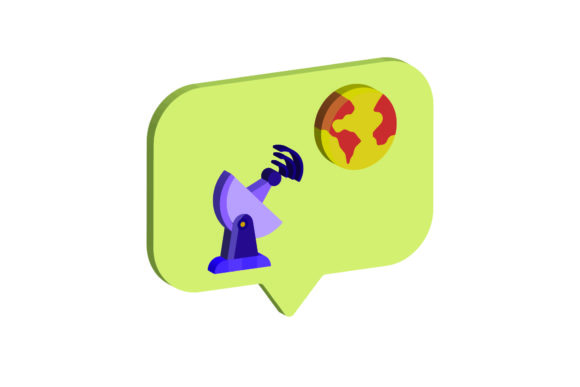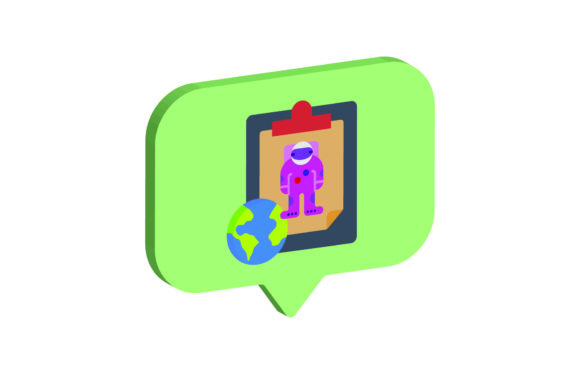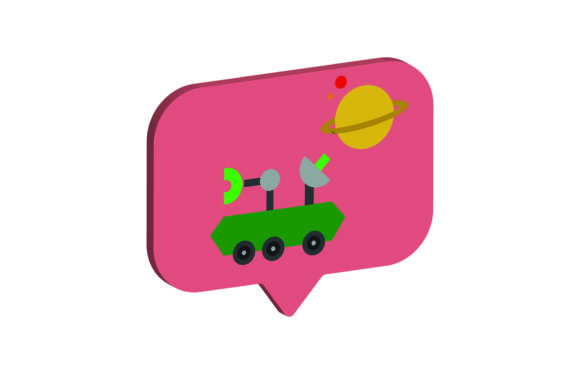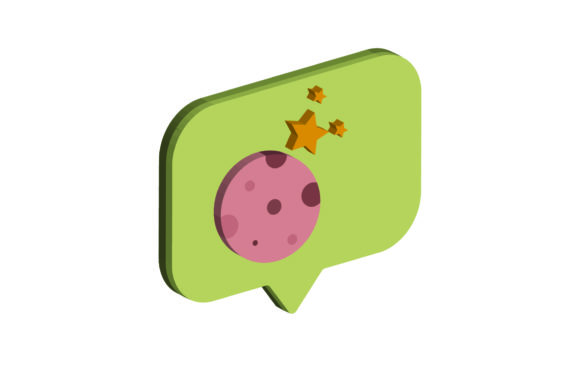
3D Icon Space Aliens
When you are looking to add a touch of whimsy, mystery, or futuristic flair to your projects, the 3D Icon Space Aliens collection offers a compelling visual solution. Whether you are designing merchandise, creating social media graphics, or developing educational materials about astronomy and sci-fi, having high-quality, versatile assets is crucial. However, simply downloading an image is rarely enough for professional results. Understanding what you actually receive in a digital pack—and how to use it correctly—can mean the difference between a polished final product and a pixelated disappointment.
This guide breaks down exactly what comes with this specific 6-file digital package, why those formats matter, and how to avoid common pitfalls that creators often encounter when working with 3D-style vector and raster graphics.
Understanding the File Formats You Receive
A common misconception among beginners is that all digital images are created equal. They assume that if they can see it on their screen, it will print well or scale infinitely. This is rarely true. The value of the 3D Icon Space Aliens pack lies not just in the artwork itself, but in the diversity of the six files included: AI, EPS, SVG, DXF, JPG, and PNG. Each serves a distinct purpose in the design workflow.
The Vector Advantage: AI, EPS, SVG, and DXF
Four of the six files provided are vector-based. This is significant because vectors are mathematically defined rather than pixel-based. This means you can resize them to any dimension without losing quality. Here is how each vector format fits into different workflows:
- AI (Adobe Illustrator): This is the native source file for Adobe Illustrator. It retains all layers, effects, and editable paths. If you plan to make substantial modifications to the alien’s shape, color, or texture, this is your primary file. It gives you the most control over the final look.
- EPS (Encapsulated PostScript): Similar to AI but compatible with a wider range of older design software, including CorelDRAW and Inkscape. If you do not have access to Adobe Creative Cloud, the EPS file ensures you can still edit the vector elements professionally.
- SVG (Scalable Vector Graphics): The gold standard for web design. If you are using these aliens for websites, apps, or digital marketing emails, SVGs load quickly and remain crisp on retina displays. They are also easily customizable via CSS code.
- DXF (Drawing Exchange Format): This format is essential for physical production. If you intend to cut these designs using a Cricut, Silhouette, or laser cutter for vinyl decals, t-shirts, or wood signs, the DXF file provides the clean outlines needed for cutting machines to read accurately.
The Raster Essentials: JPG and PNG
While vectors offer scalability, raster images are sometimes necessary for quick placement or when complex 3D shading effects are baked into the pixels. The pack includes both JPG and PNG versions at a resolution of 1920px by 1280px.
The JPG file is ideal for background textures or web images where file size matters more than transparency. The PNG file, however, is likely your best friend for layering. Because it supports transparency, you can place the 3D alien icon directly onto any colored background without dealing with unsightly white boxes around the edges. This is particularly important when integrating the alien into logos or mixed-media compositions.
Common Mistakes to Avoid When Using Digital Assets
Even with a comprehensive file pack, users often make errors that compromise the integrity of their work. By understanding these pitfalls, you can ensure your 3D Icon Space Aliens assets perform exactly as intended.
Mistake #1: Ignoring Canvas Size and Resolution Limits
The files are provided at 1920x1280px. While this is a standard HD resolution suitable for web headers and social media posts, it may not be sufficient for large-format printing like banners or billboards. If you need to print the alien at a large physical size, relying solely on the JPG/PNG files will result in blurriness. Instead, always default to the vector files (AI, EPS, SVG) for print projects. Use the vector file to scale up to your desired print dimensions, then export a high-resolution PDF or TIFF for the printer.
Mistake #2: Overcomplicating the Edit
Some users attempt to edit the JPG or PNG files in vector software, expecting to change individual colors or shapes. This does not work. Raster images are grids of pixels; you cannot "ungroup" them. Conversely, trying to apply pixel-based filters (like heavy blur or noise) to a vector file can sometimes cause rendering issues depending on the software version. Always match your editing tool to the file type: use Photoshop or GIMP for JPG/PNG edits, and Illustrator or Inkscape for AI/EPS/SVG/DXF edits.
Mistake #3: Neglecting Color Profiles
3D renders often rely on lighting and shadows to create depth. When converting from screen (RGB color space) to print (CMYK color space), colors can shift dramatically. Greens might turn muddy, and bright blues might lose their vibrancy. Before finalizing any physical product, check your color profile settings. If you are using the DXF file for vinyl cutting, color is irrelevant, but if you are printing a full-color poster using the AI file, ensure your document is set to CMYK mode to preview accurate print colors.
How to Maximize Value from Your Purchase
To get the most out of your 3D Icon Space Aliens download, adopt a strategic approach to file management and usage.
- Organize Immediately: Upon download, separate the vector files from the raster files. Create folders named "Source Files," "Web Ready," and "Cut Files." This prevents confusion later when you are rushing to meet a deadline.
- Test Before Committing: If you are new to DXF files, import one into your cutting software first. Check that the lines are closed and there are no overlapping nodes that could confuse the blade. A small test cut on scrap material saves expensive vinyl and time.
- Leverage Transparency: For digital designs, prioritize the PNG file. Its transparency allows for seamless integration with other graphic elements. Try placing the alien icon over a gradient background or within a circular frame to see how the 3D effect interacts with different lighting contexts.
- Backup Your Edits: If you modify the AI or EPS file, save a copy with a new name (e.g., "Alien_Modified_v1.ai"). Never overwrite the original downloaded file. This preserves your ability to revert changes or start fresh if a project evolves in a different direction.
Final Thoughts on Versatility
The appeal of the 3D Icon Space Aliens pack lies in its adaptability. It bridges the gap between digital creativity and physical production. By understanding the strengths of each format—from the infinite scalability of SVGs to the precise cutting paths of DXFs—you unlock the full potential of the asset. Avoid the trap of treating digital downloads as static images; instead, view them as dynamic components of your design toolkit. With careful selection of the right file for the right job, you can produce professional, high-impact results that stand out in both digital and physical spaces.