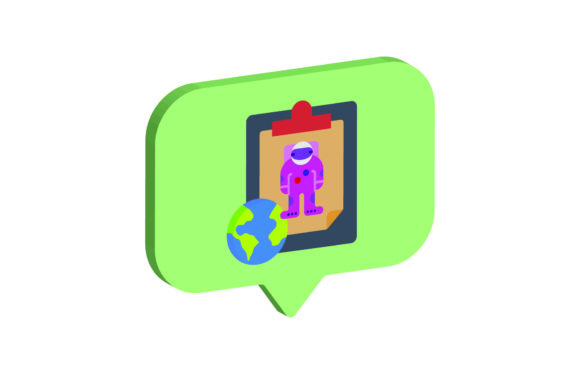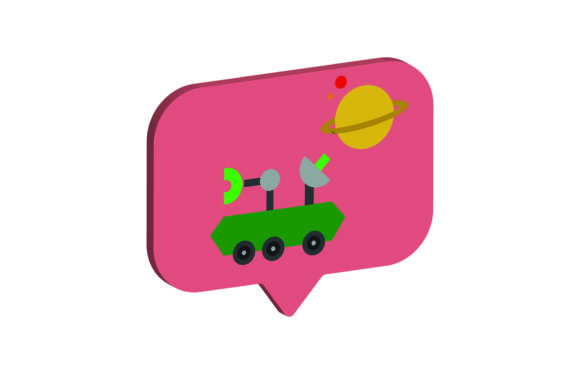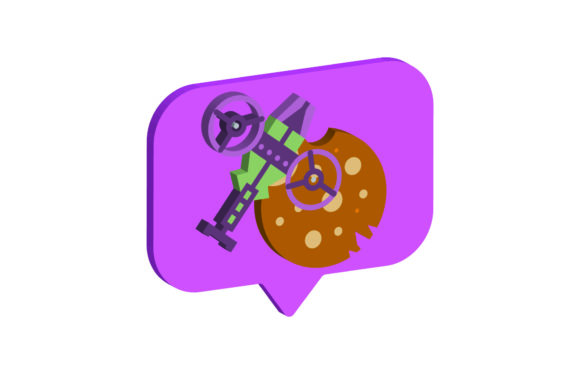
Icon 3D Space Plane and Moon
In the modern digital landscape, visual assets are not merely decorative; they are functional components of a broader communication strategy. Whether you are designing marketing collateral for a small business, creating educational materials for an online course, or developing branding elements for a freelance project, the efficiency of your workflow often hinges on the quality and versatility of the source files you acquire. The Icon 3D Space Plane and Moon asset pack represents a strategic resource for creators who require high-fidelity, scalable graphics that can be integrated seamlessly into various design pipelines.
This specific collection is designed to bridge the gap between aesthetic appeal and technical utility. It provides six distinct digital files centered around a cohesive theme: a three-dimensional space plane set against the backdrop of the moon. For professionals in graphic design, web development, and content creation, having access to such a specialized asset reduces production time significantly. Instead of modeling complex geometry from scratch or searching through multiple stock libraries to find matching elements, designers can utilize this pre-packaged solution to maintain consistency across their projects.
The Value of Multi-Format Compatibility
One of the most critical aspects of any digital asset purchase is its compatibility with existing software ecosystems. A file that looks excellent in one program but cannot be opened or edited in another creates friction in the creative process. This Icon 3D Space Plane and Moon package addresses this common pain point by delivering the design in six different formats: AI, EPS, SVG, DXF, JPG, and PNG. Each format serves a specific purpose within a typical design workflow, allowing users to choose the right tool for the job at hand.
The inclusion of vector-based formats like AI (Adobe Illustrator), EPS (Encapsulated PostScript), SVG (Scalable Vector Graphics), and DXF (Drawing Exchange Format) ensures that the artwork remains crisp regardless of scale. This is particularly important for large-format prints, such as banners, billboards, or vehicle wraps, where pixelation would ruin the professional appearance of the final output. Vector files allow for non-destructive editing, meaning you can adjust colors, modify shapes, or isolate specific elements like the plane or the moon without losing image quality. For developers building responsive websites, the SVG format is indispensable, as it scales perfectly on all screen sizes while maintaining a small file size for faster load times.
Conversely, the raster formats—JPG and PNG—are optimized for immediate use in digital media and photo-editing software. These files are provided at a resolution of 1920px x 1280px, which is sufficient for standard desktop backgrounds, social media posts, email headers, and presentation slides. The PNG format, in particular, is valuable because it supports transparency, allowing the space-themed icon to be layered over other designs without a distracting white background box. Having both vector and raster options in a single purchase eliminates the need for external conversion tools, saving valuable time during tight project deadlines.
Integration into Creative and Business Workflows
Understanding where this asset fits into your daily operations is key to maximizing its value. For entrepreneurs and small business owners, visual consistency builds brand trust. If you are launching a tech-focused product or a space-themed educational platform, using a unified visual language helps communicate professionalism. The Icon 3D Space Plane and Moon can serve as a primary logo element, a section divider in a website layout, or a featured image for blog posts discussing innovation, travel, or science.
For educators and bloggers, engaging visuals are essential for retaining audience attention. A static text block about aerospace engineering may struggle to hold interest, but pairing that content with a dynamic 3D render of a space plane adds context and visual break. Because the files are easy to edit, educators can customize the color palette to match their institution’s branding guidelines or add text overlays directly onto the image using basic photo editing software. This flexibility allows for rapid content creation without compromising on visual standards.
Freelancers and marketers often juggle multiple client projects simultaneously. In such environments, having a library of versatile, high-quality assets streamlines the proposal and execution phases. When pitching a rebranding project to a client in the technology or aviation sector, showing mockups created with premium assets demonstrates foresight and capability. The ability to quickly adapt the space plane icon—perhaps by changing its hue to align with a corporate identity—shows potential clients that you can deliver tailored solutions efficiently.
Technical Considerations for Implementation
While the asset pack is designed for ease of use, successful integration requires a basic understanding of file management and software capabilities. Before downloading or purchasing, ensure that your preferred design software supports the required formats. Adobe Illustrator is the industry standard for AI and EPS files, while Affinity Designer or CorelDRAW are viable alternatives. For web implementation, most modern browsers handle SVGs natively, but it is good practice to test the code in a browser environment to ensure no rendering issues occur.
Organization is another factor that impacts long-term usability. Once downloaded, these six files should be categorized within your project folders. A recommended structure might include subfolders for "Source Files," "Web Assets," and "Print Ready." Keeping the original AI or EPS file separate from the exported JPG or PNG ensures that you always have a master copy to work from. This practice prevents version control errors and allows you to revisit and update designs months or years later without starting from zero.
Quality control is also part of the implementation process. Although the provided images are high-resolution, always review the final output in the context of its intended medium. Colors may appear differently on calibrated monitors versus printed materials. If the icon is being used for print, convert the color mode from RGB to CMYK in your vector software to ensure accurate color reproduction. Similarly, when using the SVG for web, consider compressing the code to reduce file size without sacrificing visual fidelity, improving page load speeds for end-users.
Long-Term Utility and Scalability
The true measure of a digital asset’s worth is its longevity. Trends in graphic design shift rapidly, but fundamental themes like space exploration and technology remain relevant. The 3D style of the space plane offers a contemporary look that feels innovative yet timeless enough to remain effective for several years. Unlike highly stylized or gimmicky graphics that may date quickly, this clean, geometric approach integrates well with minimalist design trends that dominate current user interface and branding preferences.
Furthermore, the modular nature of the design allows for future expansion. You can use the same aesthetic principles to create additional icons, such as satellites, rockets, or astronauts, ensuring that your visual library grows cohesively. This scalability is beneficial for growing businesses or evolving personal brands that need to expand their visual vocabulary without losing their core identity. By investing in a versatile asset like the Icon 3D Space Plane and Moon, you are not just buying a picture; you are acquiring a flexible component that can support your creative and business goals from concept to completion.
In summary, this six-file package offers a comprehensive solution for anyone needing high-quality, editable space-themed graphics. Its multi-format support caters to diverse technical requirements, while its clear, 3D aesthetic enhances the perceived value of any project it touches. By integrating these assets thoughtfully into your workflow—considering file organization, software compatibility, and contextual application—you can enhance productivity, maintain brand consistency, and deliver polished results to your audience.