Abstract 3D Stone Backgrounds
In the rapidly evolving landscape of digital design, the demand for high-quality visual assets has never been greater. Among the myriad of resources available to creators today, Abstract 3D Stone Backgrounds have emerged as a versatile and powerful tool. These are not merely static images; they are complex compositions that blend the organic irregularity of natural stone with the precision of computer-generated fractals and the vibrancy of modern color gradients. Whether you are designing a website, creating marketing materials, or developing a mobile application interface, understanding the nuances of these textures can significantly elevate your final output.
The concept revolves around merging multiple artistic techniques: digital painting, grunge texturing, and fractal geometry. The result is a surface that feels tactile and substantial yet possesses an ethereal, light-infused quality. This duality makes them suitable for a wide array of applications, from subtle backdrops that enhance readability to bold hero sections that demand attention. But what exactly makes these backgrounds so distinct, and how can different professionals leverage them effectively?
Deconstructing the Visual Elements
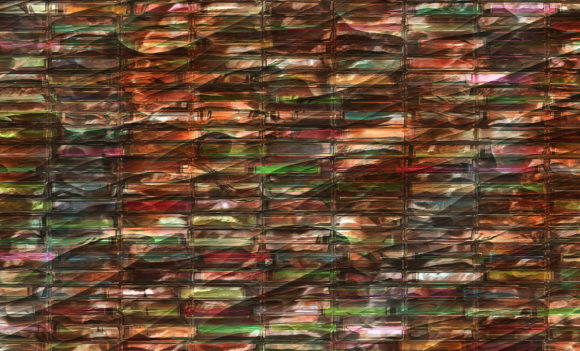
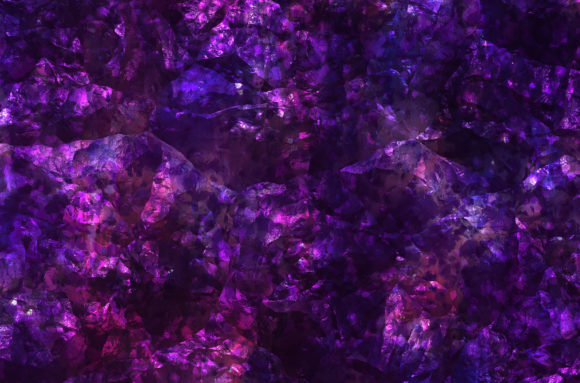
To appreciate the utility of these designs, one must first understand their components. An Abstract 3D Stone Background typically features a base structure that mimics the rough, uneven surface of rock or mineral formations. However, instead of relying solely on photorealism, these textures incorporate digital painted abstract design elements. This means that artists use brushstroke-like effects and layered opacity to create depth and movement within the "stone."
Complementing this structure are several key stylistic choices:
- Colorful Grunge Texture: Unlike traditional grunge which often implies dirt or wear, here it refers to the chaotic, energetic layering of colors and patterns that add character without overwhelming the viewer.
- Gradient Backgrounds: Smooth transitions between hues provide a modern aesthetic, softening the harshness of the stone texture and guiding the eye across the composition.
- Light Effect Texture: Simulated lighting creates highlights and shadows, giving the flat image a sense of volume and three-dimensionality.
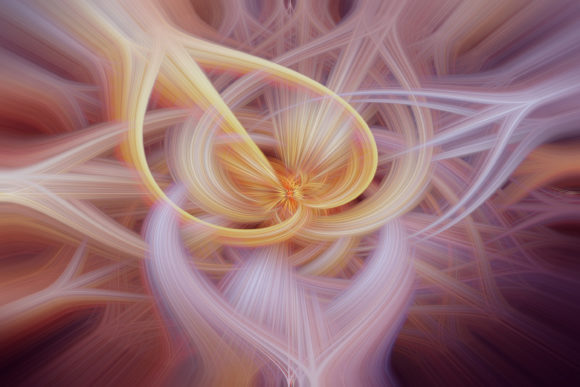
- Fractal Surface: Mathematical patterns embedded within the design ensure that no two parts of the texture are identical, adding a level of complexity that is pleasing to the human eye.
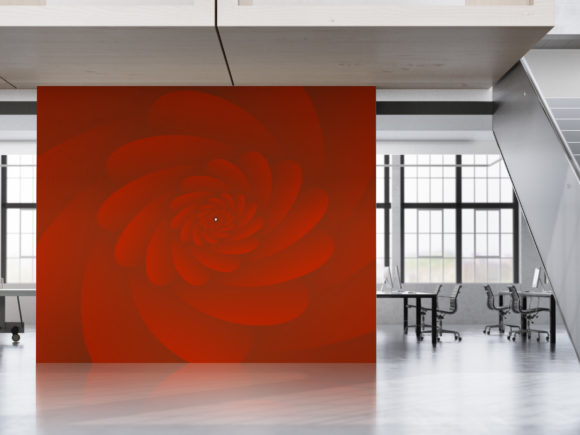
These elements are combined into high-quality texture designs that are optimized for various screen resolutions and print formats. The availability of four different color variations allows designers to choose palettes that align with specific brand identities or emotional tones, ranging from cool, calming blues and greens to warm, energetic oranges and reds.
Why Different Audiences Care
The value of Abstract 3D Stone Backgrounds is not uniform across all user groups. Its relevance shifts depending on whether you are a freelance graphic designer, a small business owner, an educator, or a hobbyist blogger. Understanding these perspectives helps in selecting the right asset for the right project.
For Creators and Professional Designers
For seasoned designers, the primary concern is versatility and uniqueness. Stock photography is abundant, but distinctive, custom-feeling textures are harder to find. These backgrounds offer a multipurpose use case. A designer working on a tech startup’s landing page might use the blue gradient variation to convey innovation and stability. Meanwhile, a fashion brand might use the colorful grunge version to suggest edginess and creativity. The ability to layer text over these textures without losing readability is crucial. The interplay of light and shadow ensures that white or dark text remains legible, reducing the need for excessive overlay adjustments.
For Entrepreneurs and Small Business Owners
Business owners often lack the time or technical skill to create original graphics. They need solutions that look professional out of the box. Abstract 3D Stone Backgrounds provide instant credibility. A restaurant owner using a warm-toned stone texture for a menu design evokes a sense of rustic authenticity and quality. A real estate agent might use a neutral, structured stone background for property listings to suggest solidity and trustworthiness. The key benefit here is speed and impact. By using pre-designed, high-quality textures, non-designers can produce marketing materials that compete with those created by agencies, provided they follow basic layout principles.
For Educators and Content Creators
Educators and bloggers often struggle with engagement. Text-heavy slides or blog posts can feel dry and uninviting. Incorporating beautiful texture illustrations breaks up the monotony and keeps the audience’s attention. For instance, a history teacher presenting a lesson on ancient civilizations could use a textured stone background to immerse students in the era being discussed. Similarly, a mental health blogger might use a soft, gradient-based stone texture to create a calming reading environment. The computer generated texture aspect ensures consistency across multiple pages or slides, maintaining a cohesive visual identity throughout the educational content.
For Hobbyists and Digital Artists
Even for those exploring digital art as a hobby, these backgrounds serve as excellent starting points or inspiration. They demonstrate how special painted textures can be achieved through software. Hobbyists can deconstruct these images to learn about layer blending modes, noise filters, and gradient mapping. The fractal surfaces offer a glimpse into algorithmic beauty, encouraging experimentation with parameters to create unique variations. This learning value extends beyond mere usage; it enhances the creator’s overall digital literacy and artistic sensibility.
Evaluating Quality and Practical Application
When selecting an abstract background, several factors should guide your decision. First, consider the resolution. High-quality textures must be sharp enough to withstand zooming or printing at larger sizes without pixelation. Second, evaluate the color harmony. Do the four available color options fit within your existing palette? Versatility is key; a background that clashes with your primary brand color limits its usefulness.
Another critical aspect is the light effect texture. Poorly executed lighting can make a background look artificial or distracting. Good textures have subtle gradients that mimic natural light sources, enhancing depth without drawing focus away from the main content. If you are placing important information like a call-to-action button or a headline, ensure the texture provides sufficient contrast. Darker stone areas work well for light text, while lighter gradient zones suit darker typography.
Furthermore, think about the long-term usefulness of the asset. Trends in design change rapidly, but abstract, nature-inspired textures tend to have a longer shelf life than overly stylized or gimmicky graphics. The combination of fractal surfaces and grunge elements strikes a balance between modern and timeless, making these backgrounds a reliable investment for future projects.
Matching Needs to Solutions
Not every project requires such a detailed background. For minimalist designs focused purely on data visualization, a plain color might be more appropriate. However, when the goal is to evoke emotion, establish atmosphere, or add visual interest, Abstract 3D Stone Backgrounds shine. They bridge the gap between organic warmth and digital precision.
To determine if these textures match your goals, ask yourself: Does my project need a sense of substance and reality? Am I looking to add color and energy without clutter? Do I need a flexible resource that can adapt to both digital and print media? If the answer is yes, then investing in or utilizing these high-quality texture designs is a strategic move. They offer more than just decoration; they provide a foundational aesthetic that supports and enhances the message being communicated.
Ultimately, the power of these backgrounds lies in their adaptability. Whether used as a full-screen backdrop, a subtle pattern overlay, or a component in a composite image, they bring a level of sophistication and depth that is difficult to achieve from scratch. By understanding the diverse needs of different audiences—from the practical requirements of business owners to the creative aspirations of designers—creators can harness the full potential of Abstract 3D Stone Backgrounds to produce compelling, effective, and visually stunning work.