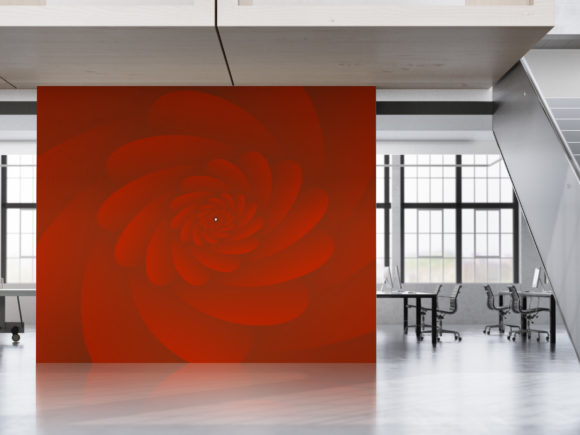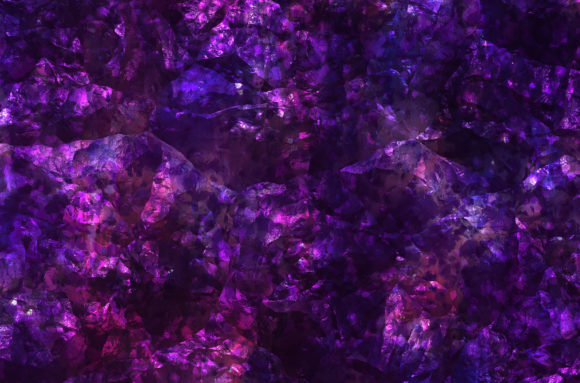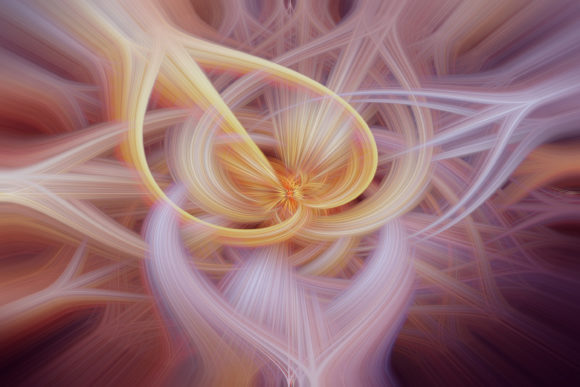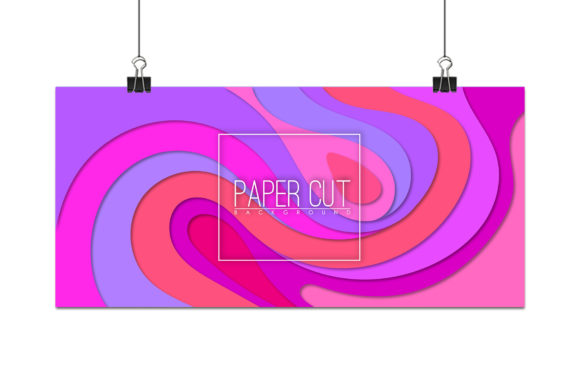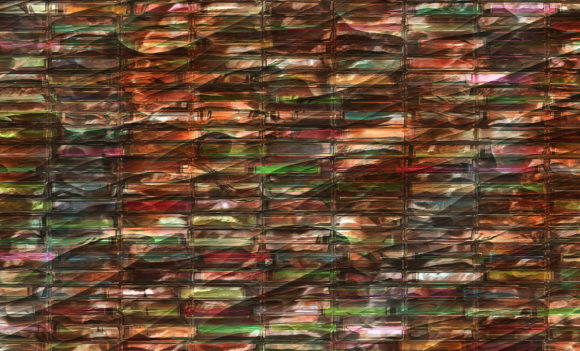
Abstract Colorful 3D Texture Backgrounds
In the visual landscape of digital design, background elements are no longer mere placeholders; they are foundational components that dictate mood, depth, and user engagement. The shift toward Abstract Colorful 3D Texture Backgrounds represents a significant evolution in how creators approach spatial design. This trend moves beyond flat, two-dimensional aesthetics, introducing tactile qualities and dynamic lighting that invite the viewer’s eye to explore. Whether you are a UI designer crafting an immersive app interface, a marketer developing brand assets, or a content creator seeking unique visual hooks, understanding the nuance of these textures is crucial for modern digital storytelling.
The relevance of this style lies in its ability to bridge the gap between organic creativity and computational precision. By combining Digital Painted Abstract Design with Computer Generated Texture techniques, designers can achieve results that feel both hand-crafted and technologically advanced. This duality appeals to contemporary audiences who value authenticity but expect high-fidelity visuals. The integration of Colorful Grunge Texture elements adds a layer of raw, human imperfection, preventing the digital output from feeling sterile or overly sanitized. It is a sophisticated balance where chaos meets order, resulting in a visual language that is both energetic and structured.
The Evolution of Digital Textures
To understand why Abstract Colorful 3D Texture Backgrounds are gaining traction, one must look at the trajectory of graphic design over the last decade. We have moved away from the rigid minimalism of the early 2010s into an era that embraces complexity, depth, and sensory richness. This shift is driven by advancements in rendering software and a growing consumer appetite for immersive experiences. Users today scroll through feeds and navigate websites with heightened visual literacy; they respond to designs that offer subtle details upon closer inspection.
The evolution has been characterized by a move from static images to dynamic, light-responsive surfaces. Early digital textures often relied on simple noise patterns or repeated tiles. Today, the focus is on Fractal Surface geometries and complex lighting interactions. A Light Effect Texture does not just illuminate a surface; it defines the material properties of the virtual object, suggesting whether it is metallic, porous, liquid, or matte. This level of detail enhances the perceived quality of any project, from a mobile game asset to a corporate presentation slide.
Furthermore, the rise of remote work and digital-first communication has increased the demand for high-quality visual assets. Professionals need backgrounds that stand out without overwhelming the primary content. This is where Modern Background İllustration comes into play. It serves as a versatile tool that can adapt to various contexts, providing a consistent visual identity across different platforms. The ability to use these textures for Multipurpose Uses makes them an efficient resource for freelancers and small business owners who need to maintain a premium aesthetic on a budget.
Deconstructing the Aesthetic: Key Components
The appeal of these backgrounds stems from their composite nature. They are rarely created using a single technique. Instead, they are layered compositions that combine several distinct artistic approaches. Understanding these components allows designers to manipulate them more effectively to suit their specific needs.
- Digital Painted Abstract Design: This element introduces the organic flow of traditional art. Brushstrokes, splatters, and fluid dynamics are simulated digitally to create a sense of movement and emotion. It softens the hard edges often associated with 3D modeling.
- Colorful Grunge Texture: Grunge adds character. It simulates wear, tear, dust, or weathering. In a digital context, this prevents the "plastic" look of pure CGI. It grounds the image in reality, making it feel tangible and lived-in.
- Gradient Background: Gradients provide the atmospheric foundation. They guide the eye and establish color harmony. When combined with 3D textures, gradients add depth, creating a sense of distance and volume within the frame.
- Fractal Surface: Fractals introduce mathematical complexity. These self-similar patterns create intricate details that reward close viewing. They add a futuristic or scientific edge to the design, appealing to tech-oriented audiences.
- Light Effect Texture: Lighting is perhaps the most critical aspect. Specular highlights, ambient occlusion, and subsurface scattering determine how light interacts with the surface. A well-executed Beautiful Texture İllustration relies heavily on realistic lighting to sell the illusion of three-dimensionality.
Practical Applications for Professionals and Creators
The versatility of Abstract Colorful 3D Texture Backgrounds makes them invaluable across various industries. For web developers and UI/UX designers, these textures can be used as hero section backdrops, loading screens, or card backgrounds. The key is to ensure that the texture does not compete with the text or call-to-action buttons. Using a Special Painted Texture with lower opacity can provide visual interest while maintaining readability.
For marketers and brand strategists, these backgrounds offer a way to convey innovation and creativity. A company launching a new tech product might use a Fractal Surface with cool tones to suggest precision and engineering. Conversely, a lifestyle brand might opt for a warmer Colorful Grunge Texture to evoke feelings of comfort and authenticity. The ability to customize these assets ensures that the visual message aligns with the brand voice.
Educators and content creators also benefit significantly from these resources. In an age of information overload, engaging visuals help retain audience attention. A lecture slide deck enhanced with subtle Gradient Background elements and Light Effect Texture overlays can transform dry information into an inviting experience. Similarly, podcast cover art or YouTube thumbnails featuring Abstract Background designs can increase click-through rates by offering a visually striking first impression.
Freelancers and hobbyists find these textures particularly useful because they reduce the time required to produce high-quality work. Instead of building every element from scratch, creators can start with a base texture and modify it to fit their project. This workflow efficiency is crucial in a fast-paced creative economy where deadlines are tight and client expectations are high.
Quality, Variety, and Implementation
When selecting or commissioning these assets, quality is paramount. A low-resolution texture will pixelate when scaled, breaking the illusion of depth. High-quality designs ensure that the Fractal Surface details remain crisp and the Light Effect Texture transitions are smooth. Look for resources that offer 1 High Quality Texture Design specifications, ensuring that the file formats support transparency and high DPI requirements.
Variety in color palettes is another essential factor. The mention of 4 Different Color options in typical texture packs highlights the importance of adaptability. A single texture design can take on entirely different moods depending on its color scheme. For instance, a grunge texture in earthy tones feels natural and rustic, while the same texture in neon hues feels cyberpunk and energetic. Having access to multiple color variations allows designers to reuse the same structural asset across diverse projects without visual repetition.
Implementation requires a thoughtful approach. It is not enough to simply paste a texture onto a canvas. Designers should consider how the texture interacts with other elements. Does the light source in the texture align with the lighting in the foreground? Do the colors complement the typography? These subtle considerations separate amateur designs from professional-grade work. Experimenting with blend modes, such as Overlay, Soft Light, or Multiply, can help integrate the texture seamlessly into the overall composition.
Looking Ahead: The Future of Abstract Textures
As technology continues to advance, the line between physical and digital textures will blur further. With the advent of real-time ray tracing and AI-assisted design tools, creating Computer Generated Texture assets will become even more accessible and realistic. We can expect to see more interactive backgrounds that respond to user input, changing their Light Effect Texture based on mouse movement or scroll position.
However, the core principles of good design will remain unchanged. Clarity, relevance, and aesthetic harmony will always be the guiding forces. Abstract Colorful 3D Texture Backgrounds will continue to evolve, incorporating new styles and techniques, but their fundamental purpose—to enhance visual communication—will stay constant. For professionals and creators, staying informed about these trends and mastering the use of these tools will be key to producing compelling, effective, and memorable digital experiences.
Ultimately, the value of these textures lies in their ability to tell a story without words. Through the interplay of color, form, and light, they create an emotional resonance that connects with the audience. Whether used for a sleek corporate website or a vibrant social media campaign, these backgrounds provide the perfect canvas for your ideas to shine. By leveraging the power of Digital Painted Abstract Design and Modern Background İllustration, you can elevate your projects from ordinary to extraordinary, meeting the high standards of today’s discerning digital consumers.