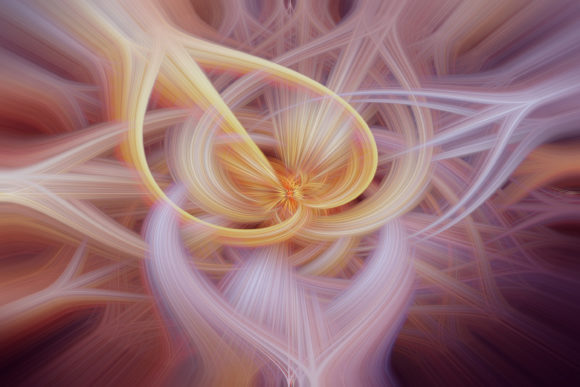
Abstract Twisted 3D Lines Effect: A Strategic Asset for Modern Visual Communication
In an era where digital attention is the scarcest resource, visual hierarchy and aesthetic sophistication determine whether a message is consumed or ignored. The Abstract Twisted 3D Lines Effect represents more than a decorative trend; it is a sophisticated graphical tool that bridges the gap between technical precision and artistic abstraction. When integrated correctly into brand assets, marketing materials, or digital interfaces, this effect provides depth, movement, and a sense of futuristic elegance that static two-dimensional graphics often lack.
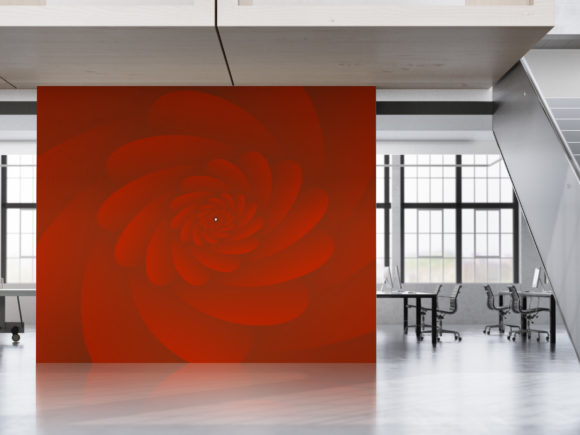
This guide explores the strategic application of Abstract Twisted 3D Lines Effect, particularly within the context of high-resolution Adobe Photoshop templates featuring illuminated light painting and fractal floral designs. For entrepreneurs, marketers, and creative professionals, understanding how to leverage these elements can significantly enhance brand positioning, improve user engagement, and streamline production workflows.
Understanding the Visual Language of Twisted 3D Lines
The core appeal of the Abstract Twisted 3D Lines Effect lies in its ability to simulate complexity and motion without overwhelming the viewer. Unlike chaotic abstract art, twisted lines follow mathematical or organic patterns that guide the eye naturally across a composition. This creates a subconscious sense of flow and direction, which is critical for guiding user attention in web design, presentation slides, and advertising banners.
When combined with Abstract Twisted Light Fibers, the effect mimics the behavior of data streams, neural networks, or energy flows. This association is powerful for industries such as technology, telecommunications, healthcare, and finance, where concepts like connectivity, speed, and reliability are central to the brand narrative. The interplay of light and shadow within these 3D structures adds volume, making the design feel tangible and premium.
The Role of Illuminated Light Painting
Illuminated light painting transforms flat lines into glowing entities that appear to emit energy. In digital marketing, this technique is used to highlight key information or create focal points around calls-to-action (CTAs). The glow effect suggests innovation and forward-thinking, qualities that resonate strongly with audiences seeking modern solutions. By using RGB color modes at 300 DPI, designers ensure that these luminous effects remain crisp and vibrant across various display types, from mobile screens to large-format prints.
Strategic Applications Across Industries
The versatility of Abstract Twisted 3D Lines Effect allows it to be adapted for diverse business objectives. Below are specific use cases where this visual style delivers measurable value.
- Technology and SaaS: Use twisted fiber optics backgrounds to represent data processing, cloud computing, or AI algorithms. The intricate lines suggest complex systems operating seamlessly behind the scenes.
- Healthcare and Biotech: Combine the lines with Modern Fractal Floral Leaf Design to symbolize growth, healing, and natural science. The organic curves soften the technological aspect, creating a balance between innovation and care.
- Finance and Consulting: Employ sleek, metallic-toned twisted lines to convey stability, structure, and upward momentum. This supports branding messages focused on growth strategies and financial planning.
- Education and Publishing: Create engaging cover art or slide decks where the lines guide the reader through a logical progression of ideas. The 3D effect adds authority and professionalism to educational content.
Workflow Efficiency Through Professional File Organization
One of the most overlooked aspects of digital asset management is the efficiency of the editing process. Many designers waste hours reconstructing effects that should already be modular. High-quality templates featuring Abstract Twisted 3D Lines Effect are typically delivered with well-organized layers in Adobe Photoshop format (.PSD).
This structural integrity offers several practical advantages:
- Rapid Customization: With separate layers for each line group, lighting effect, and background element, users can modify colors, opacity, and rotation without starting from scratch. This reduces project turnaround time by up to 70% compared to custom illustration.
- Non-Destructive Editing: Professional files preserve the original vector-like quality of the 3D lines, allowing for scaling and adjustment without pixelation. This is crucial for maintaining high resolution (300 DPI) when preparing materials for both digital and print media.
- Consistency Across Campaigns: By reusing the same base template with varied color palettes, brands can maintain visual consistency across multiple channels while keeping content fresh. This supports long-term brand recognition without requiring constant new design investments.
Design Principles for Effective Integration
While the Abstract Twisted 3D Lines Effect is visually striking, improper use can lead to cluttered compositions that distract from the core message. To achieve better results, practitioners must adhere to principles of negative space, contrast, and thematic alignment.
Balance Complexity with Simplicity
The human brain processes simple shapes faster than complex ones. When using dense twisted lines, it is essential to leave ample negative space for text and key imagery. Avoid placing critical information directly over areas of high visual noise. Instead, use the lines to frame the content, drawing the eye inward rather than outward.
Color Psychology and RGB Modes
Since these files are typically in RGB Color Mode, they are optimized for screen display. However, color choice dictates emotional response. Cool blues and purples evoke trust and intelligence, suitable for corporate reports. Warm oranges and reds suggest urgency and passion, ideal for promotional events. Educators and bloggers should test different palettes to see which resonates best with their specific audience demographics.
Compatibility with Modern Software
Ensure that any template used is compatible with current versions of Adobe Photoshop. Older formats may lose layer styles or 3D properties when opened in updated software, leading to frustration and compromised output. Look for files explicitly stated to compete with or support the latest Adobe updates, ensuring longevity and ease of use.
Risks and Considerations
No visual tool is universally applicable. There are scenarios where Abstract Twisted 3D Lines Effect may detract from communication goals.
- Overuse in Minimalist Brands: Brands that rely on stark minimalism may find 3D twists too busy or distracting. In such cases, subtle gradients or solid colors might be more appropriate.
- Accessibility Issues: Highly saturated glows and low-contrast lines can pose challenges for users with visual impairments. Always check contrast ratios against background colors to ensure readability.
- File Size and Load Times: While 3000×2000 pixels is a standard high-res size, excessive transparency layers can increase file weight. Optimize final exports for web delivery to prevent slow load times, which negatively impact SEO and user experience.
Long-Term Value and Decision-Making
Investing in high-quality, customizable graphic assets like those featuring Abstract Twisted 3D Lines Effect is a strategic decision that pays dividends over time. Rather than commissioning one-off illustrations for every campaign, businesses can build a library of versatile backgrounds that adapt to seasonal changes, product launches, or rebranding efforts.
This approach aligns with sustainable business practices by reducing waste—both financial and temporal. It empowers small business owners, freelancers, and internal teams to produce professional-grade visuals independently, fostering creativity and agility. For educators and content creators, it means higher production values for less effort, allowing more focus on the substance of the content itself.
Implementation Checklist
Before integrating these effects into your workflow, consider the following steps:
- Audit Current Assets: Identify where your current visuals fall short in terms of depth and engagement.
- Define Brand Guidelines: Establish which colors and styles align with your brand identity before purchasing or downloading templates.
- Test Variations: Experiment with different twists, rotations, and lighting intensities to find the optimal balance for your specific use case.
- Organize Your Library: Tag and categorize your new assets by theme (e.g., tech, nature, abstract) for quick retrieval during fast-paced projects.
Ultimately, the goal of using Abstract Twisted 3D Lines Effect is not just to make things look "cool," but to communicate clearly, professionally, and memorably. By treating visual design as a strategic component of your broader business plan, you create experiences that resonate with your audience and drive meaningful action. Whether you are designing a website overlay, a presentation background, or a social media banner, the thoughtful application of these 3D effects can elevate your work from ordinary to exceptional.