Paper Cut 3D Abstract Paper Art Style
In the realm of digital design, visual texture and depth are critical for capturing audience attention. As flat design trends continue to evolve, there is a growing demand for assets that offer tactile realism without the physical constraints of traditional media. This has led to the rise of sophisticated vector-based solutions, specifically the Paper Cut 3D Abstract Paper Art Style. This approach combines the precision of vector illustration with the organic, layered aesthetics of physical paper carving. For designers, marketers, and creative directors, understanding the nuances of this style—and the specific technical specifications associated with high-quality templates—is essential for making informed procurement decisions.
This evaluation explores the characteristics, benefits, and practical applications of abstract paper art in digital workflows. It examines why professionals are shifting toward these textured, multi-layered designs and provides a framework for assessing whether such assets align with specific project requirements.
Understanding the Aesthetic: From Flat to Tactile
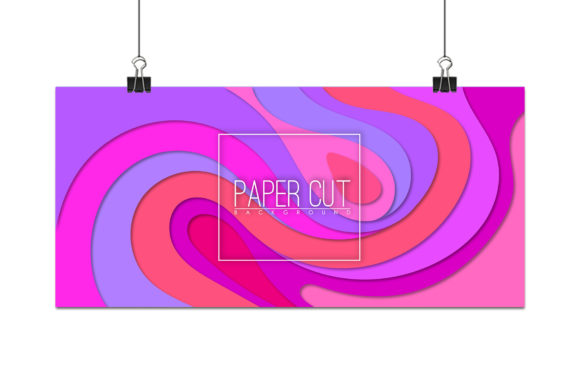
The core appeal of the Paper Cut 3D Abstract Paper Art Style lies in its ability to simulate physical depth through digital means. Unlike standard flat illustrations, this style utilizes overlapping shapes, shadows, and gradients to create a "relief" effect. The result is an image that appears to have volume and dimensionality, mimicking the look of cardboard or heavy stock paper cut into wavy, organic layers.
Visually, this style often features soft color palettes—such as the pink layers mentioned in common template descriptions—to evoke warmth and approachability. However, the aesthetic is versatile enough to be adapted for corporate branding, editorial layouts, and packaging design. The use of vector illustration technology ensures that these intricate details remain crisp at any scale, a significant advantage over raster-based photo manipulations which can become pixelated when enlarged.
Key Technical Specifications and Workflow Efficiency
When evaluating digital assets for commercial use, technical specifications are just as important as visual appeal. High-quality templates in this category typically adhere to strict industry standards to ensure seamless integration into professional workflows. Understanding these metrics helps buyers avoid compatibility issues and wasted time.
- File Format Compatibility: The availability of both Adobe Illustrator (AI) and PNG files offers flexibility. The AI file allows for deep customization of vector paths, colors, and layer structures, while the PNG file provides a ready-to-use raster image for quick placement in tools that do not support native vector editing.
- Resolution and Quality: Assets designed for print or high-resolution web display should feature a resolution of 300 DPI (dots per inch). This ensures sharpness in printed materials like brochures, business cards, or large-format posters. The typical size of 3000×2000 pixels provides ample canvas area for detailed compositions while maintaining manageable file sizes.
- Color Mode: Most digital-first assets utilize RGB Color Mode, which is optimized for screens. Designers working on print projects must verify if CMYK conversion is supported or if they need to manually adjust color profiles to prevent shifts in hue during printing.
- Layer Organization: One of the most valuable features in complex vector files is well-organized layering. A professionally structured file groups elements logically (e.g., background layers, mid-ground textures, foreground accents), allowing designers to isolate and edit specific components without affecting the entire composition.
Benefits of Using Pre-Made Abstract Paper Art Templates
For many organizations, creating custom 3D paper art from scratch is resource-intensive. Utilizing pre-made templates that embody the Paper Cut 3D Abstract Paper Art Style offers several strategic advantages.
Time and Cost Efficiency
Custom illustration requires hiring skilled artists who specialize in vector manipulation and lighting effects. By purchasing a template, teams can access high-end artistic direction instantly. The promise of being easily customizable means that a brand can adapt the asset to match their specific color palette and messaging within minutes rather than days.
Consistency Across Brand Assets
Templates often come as part of a cohesive set. This consistency is vital for maintaining brand identity across various touchpoints, from social media headers to cover layout design templates. The professional and clean files ensure that every instance of the graphic maintains the same level of quality and structural integrity.
Scalability
Because these assets are built on vector principles, they can be scaled up for billboards or down for favicons without loss of quality. This scalability is particularly beneficial for businesses that operate across diverse marketing channels.
Considerations and Potential Tradeoffs
While the benefits are clear, decision-makers must also consider potential limitations before integrating these assets into their projects.
Customization Limits
Although templates are described as easy to customize, the complexity of 3D relief and carving art effects can sometimes restrict how much a user can alter the shape without breaking the illusion of depth. Users must have a basic understanding of Adobe Illustrator’s pathfinder tools and layer management to effectively modify the geometry.
Software Versioning
A critical technical consideration is software compatibility. While many vendors claim their files are compatible with current versions, features introduced in recent Adobe Illustrator updates may occasionally cause rendering issues in older files. Buyers should verify the minimum version requirement for the template to ensure it opens correctly in their existing software environment.
Originality Concerns
Since these assets are available to multiple users, there is a risk of visual repetition across different brands. To mitigate this, designers must invest time in re-coloring, resizing, or combining elements to create a unique final output that stands out from competitors using the same base template.
Situational Fit: When to Choose This Style
The Paper Cut 3D Abstract Paper Art Style is not a one-size-fits-all solution. It is best suited for specific contexts where warmth, creativity, and modernity intersect.
Ideal Use Cases:
- Cover Layout Design: The textured layers provide a striking focal point for book covers, magazine spreads, and podcast artwork, drawing the eye immediately.
- Web Headers and Banners: The RGB format and vibrant yet soft colors work exceptionally well in digital environments, enhancing user engagement on landing pages.
- Event Marketing: For conferences, workshops, or creative summits, the abstract nature of the art allows it to represent innovation and structure without being too literal.
Alternatives to Consider:
If a project requires photorealism or highly specific product visualization, stock photography or 3D rendering software (like Blender or Cinema 4D) may be more appropriate. Similarly, for minimalist corporate identities that prioritize stark simplicity, flat line-art or monochromatic geometric patterns might better serve the brand voice than the textured complexity of paper cut art.
Conclusion
Evaluating the Paper Cut 3D Abstract Paper Art Style involves balancing aesthetic desire with technical pragmatism. The combination of vector precision, organized layering, and high-resolution output makes it a powerful tool for modern design teams. By carefully reviewing file specifications—such as DPI, color mode, and software compatibility—designers can ensure that these assets integrate smoothly into their workflow. Ultimately, this style offers a compelling middle ground between the speed of template usage and the premium feel of custom illustration, provided the buyer understands its capabilities and limitations.